Ethnological Museum: Ethiopia's Cultural Treasure in Haile Selassie's Palace
July 28, 2025
I spent nearly three hours exploring the museum, completely captivated by the unique life-cycle exhibits and Emperor Haile Selassie's preserved personal rooms. The museum's collection of religious icons and traditional musical instruments offered an incredible glimpse into Ethiopia's rich cultural tapestry, making it a must-visit spot in Addis Ababa.
Step inside Emperor Haile Selassie's former palace and uncover the hidden stories of Ethiopia through a museum that breaks every traditional exhibit rule. Discover a cultural journey where a single bullet hole in a mirror tells more history than most textbooks ever could.
Need-to-Know Info Before Visiting Ethnological Museum

5+
images
Ethnological Museum Address
Addis Ababa University Main Campus, Addis Ababa, Ethiopia
Ethnological Museum Opening Hours
- 🕒 Monday-Saturday: 9:00 AM - 5:00 PM
- 🕒 Sunday: Closed
- 🕒 Public Holidays: Reduced Hours (Check in Advance)
How to get to Ethnological Museum
- 🚗 By car: Located within Addis Ababa University Main Campus
- 🚌 Public transport: City buses to University area
- 🚕 Rideshare: Uber and local taxi services available
What is Ethnological Museum known for?
- Located in former Emperor Haile Selassie's palace
- Showcases Ethiopia's diverse cultural heritage across life cycles
- Features world's largest collection of Ethiopian religious icons
- Displays unique artifacts representing different Ethiopian ethnic groups
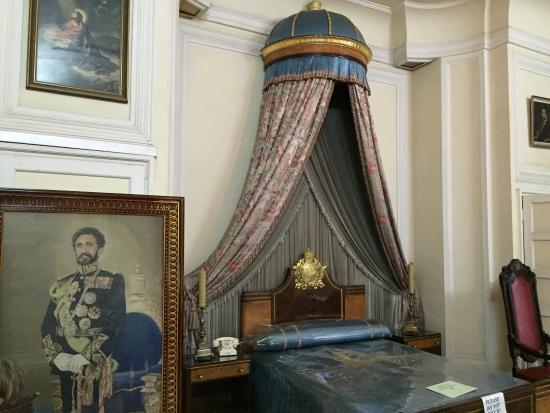
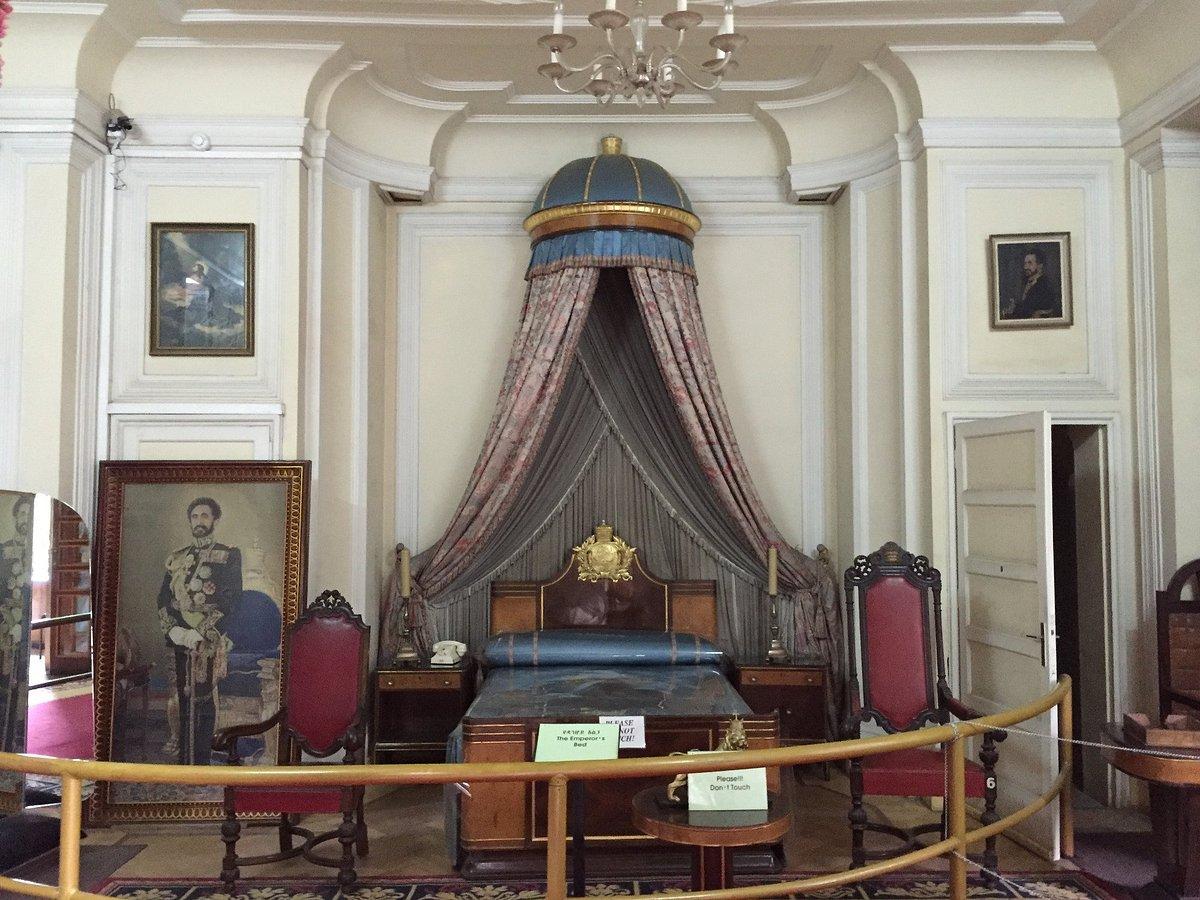
- Exhibits personal rooms of Emperor Haile Selassie, including historical artifacts
What is Ethnological Museum in Addis Ababa?
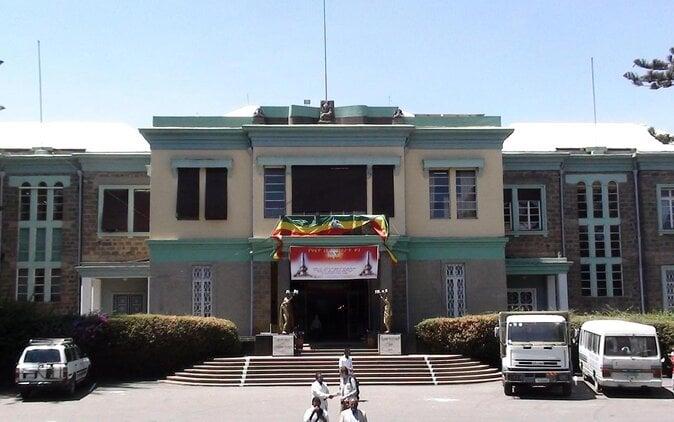
The Ethnological Museum sits inside the former palace of Emperor Haile Selassie, transforming a piece of Ethiopian royal history into a compelling cultural destination. Located within Addis Ababa University's main campus, this museum attracts history buffs, cultural enthusiasts, and international travelers eager to understand Ethiopia's complex social landscape. The museum stands out for its unique approach to storytelling, organizing exhibits around life cycles instead of traditional geographical displays. Visitors can explore two floors packed with artifacts, handicrafts, and personal items that reveal Ethiopia's diverse ethnic traditions. The entrance itself tells a story - a set of 13 stairs symbolizing the years of Italian Fascist occupation, topped by a Lion of Judah statue representing Ethiopian resistance. Tourists typically spend 2-3 hours exploring exhibits ranging from childhood rituals to religious art, making it a key stop for understanding Ethiopian cultural heritage. The museum's collection includes the world's largest representation of Ethiopian religious icons, traditional musical instruments, and even Emperor Haile Selassie's preserved personal rooms - complete with a bullet hole from the 1960 coup d'etat that adds a dramatic historical touch to the experience.
Top things to do at Ethnological Museum
- Explore Emperor Haile Selassie's personal rooms, including his preserved bedroom with the historic bullet hole from the 1960 coup
- Discover the unique life cycle exhibits on the first floor, featuring traditional Ethiopian childhood games and coming-of-age rituals
- Examine the world's largest collection of Ethiopian religious icons, including rare diptychs, triptychs, and magic scrolls
- Walk the 13 symbolic stairs at the entrance, each representing a year of Italian Fascist occupation, topped by the Lion of Judah statue
- Listen to traditional Ethiopian musical instruments in the small black corridor on the second floor
- Check out the entrance hall exhibition about the palace's historical background and the Institute of Language Studies library
Tickets
Entry to the Ethnological Museum is affordable for both local and international visitors. Foreign tourists can expect to pay around 200-300 Ethiopian Birr (approximately $4-6 USD). Tickets are available directly at the museum entrance. Students and children often receive discounted rates. No online booking system is currently available, so plan to purchase tickets on-site. Photography inside the museum might require an additional small fee.
History of Ethnological Museum
- 1930s: Original palace constructed during Emperor Haile Selassie's reign
- 1960: Bullet hole in Emperor's mirror from military coup remains preserved
- 1974: Ethiopian Revolution transforms palace into educational museum
- 1980s: Museum formally established within Addis Ababa University campus
- 2000s: Extensive renovations to preserve historical artifacts and exhibits
Cultural Significance
The Ethnological Museum represents more than a collection of artifacts - it's a narrative of Ethiopian cultural identity. By displaying exhibits based on life cycles instead of geographic regions, the museum demonstrates the interconnectedness of Ethiopia's diverse ethnic groups. The museum preserves personal stories, traditional practices, and historical moments that might otherwise be forgotten, serving as a critical repository of national heritage.
Tips for Visitors
- Plan at least 2-3 hours for a comprehensive museum tour
- Wear comfortable walking shoes for exploring multiple floors
- Bring water and a light jacket, as museum can be cool inside
- Consider visiting early morning or late afternoon to avoid crowds
- English and local language information panels are available
- No large bags allowed - small lockers available at entrance
- Respectful, modest clothing recommended
What are some interesting facts about Ethnological Museum?
- The 13 stairs leading to the museum entrance were intentionally designed by Italians as a symbolic representation of Mussolini's 13 years of power, with a defiant Lion of Judah statue placed at the top
- Emperor Haile Selassie's preserved bedroom still contains the actual bullet hole from the 1960 military coup, serving as a dramatic historical artifact
- The museum's unique layout breaks traditional museum design by organizing exhibits around human life cycles instead of geographical regions, making it one of the most innovative cultural institutions in Africa