
National Museum of Ethiopia: Uncover 3 Million Years of Human History
May 21, 2025

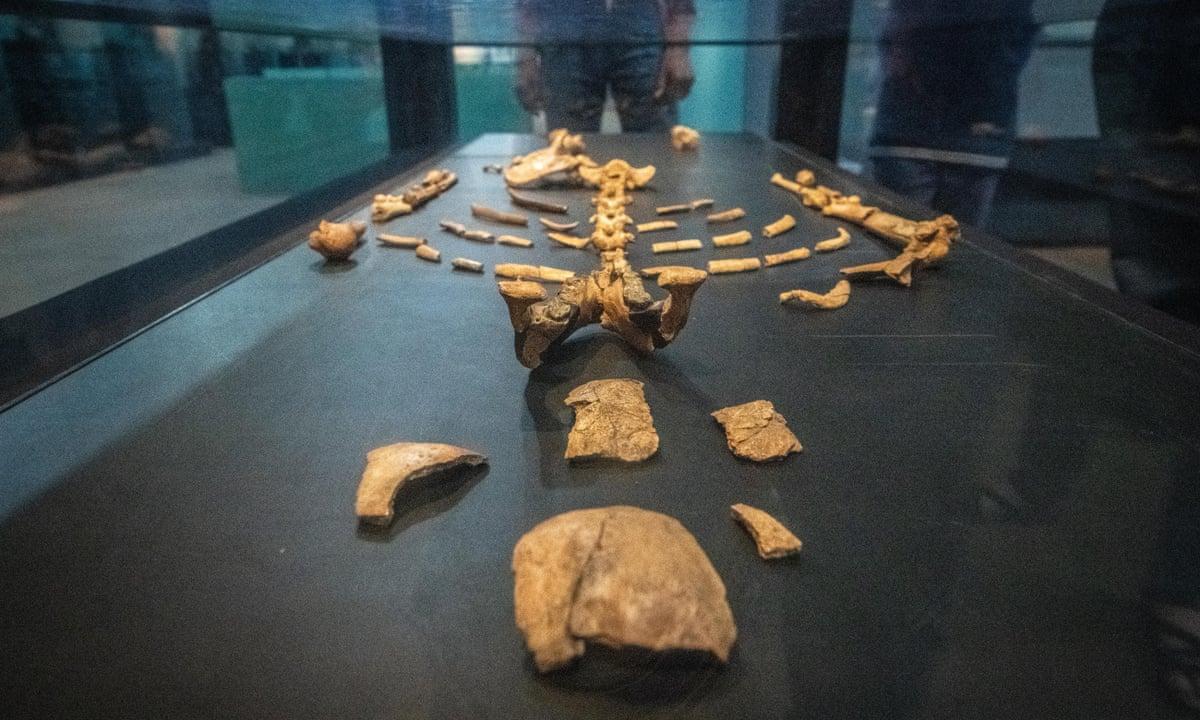
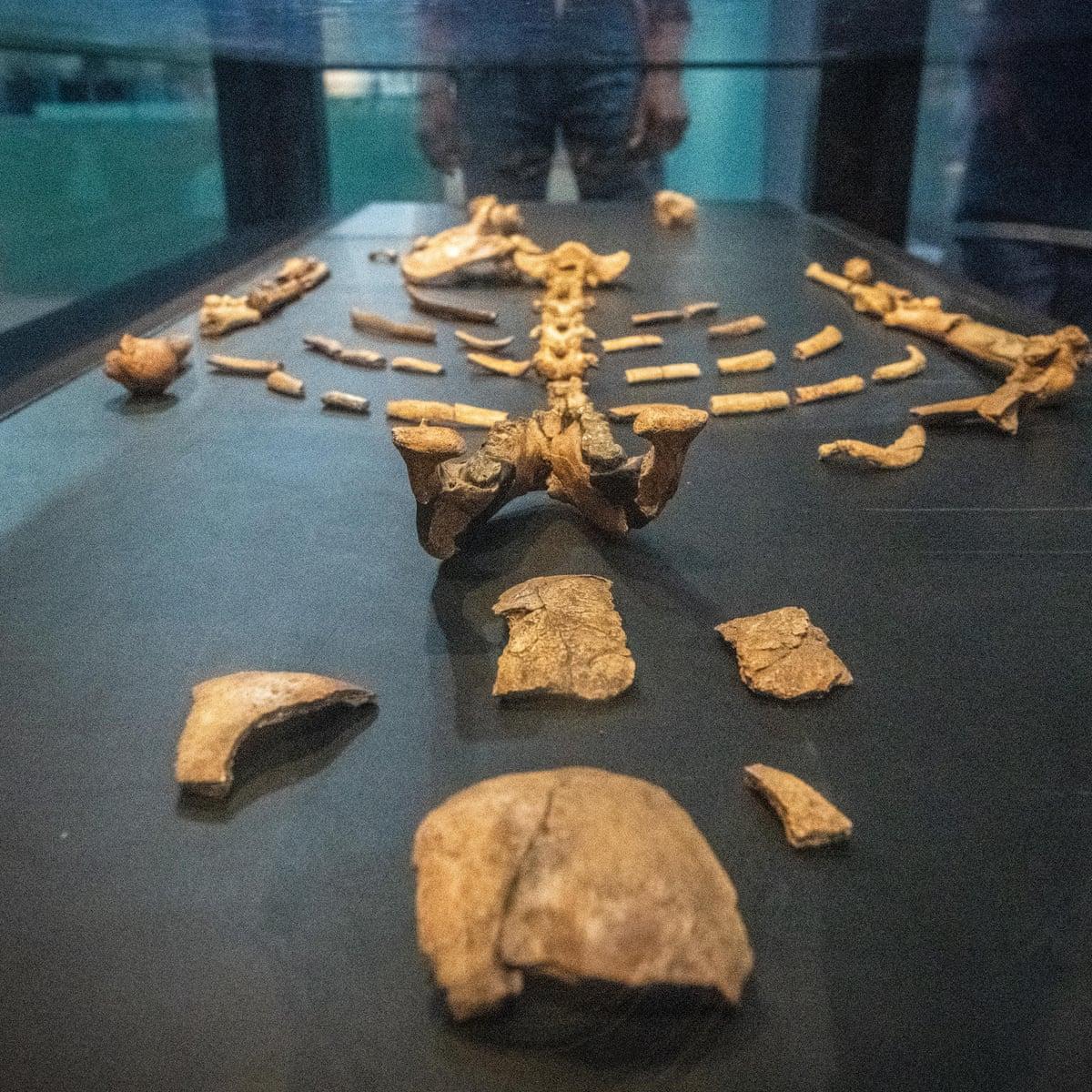
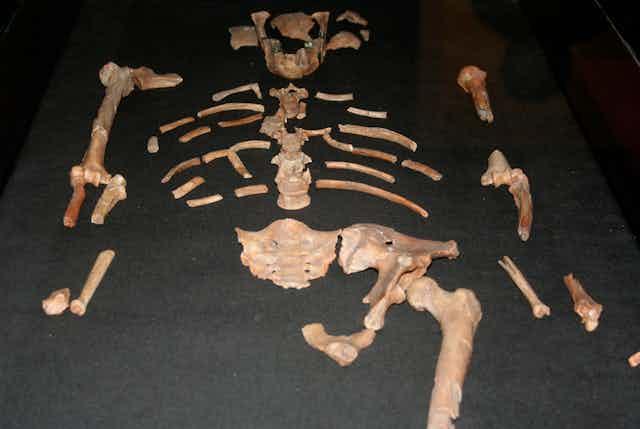
I spent nearly three hours exploring the National Museum of Ethiopia, with the basement exhibit featuring Lucy's skeleton being the absolute highlight of my visit. The museum's collections of Ethiopian art, royal artifacts, and prehistoric fossils provided an incredible journey through the country's rich cultural and anthropological history.
Tucked near Addis Ababa University, the National Museum of Ethiopia houses Lucy - the 3.2 million-year-old skeleton that rewrote human evolution's story. Discover how a tiny fossil from Ethiopia transformed our understanding of our earliest ancestors.
Need-to-Know Info Before Visiting National Museum of Ethiopia
5+
images
National Museum of Ethiopia Address
King George VI Street, Addis Ababa, Ethiopia
National Museum of Ethiopia Opening Hours
- 🕒 Monday-Saturday: 8:30 AM - 5:30 PM
- 🕒 Sunday: Closed
- 🕒 Public Holidays: Limited Hours
How to get to National Museum of Ethiopia
- 🚗 By car: Parking available near museum entrance
- 🚌 Public transport: City buses stop near Addis Ababa University
- 🚕 Rideshare: Uber and local taxi services widely available
What is National Museum of Ethiopia known for?
- Home to Lucy, the 3.2 million-year-old hominid skeleton that revolutionized human origins research
- Showcases archaeological artifacts from pre-Aksumite to Gonderian historical periods
- Features extensive collection of Ethiopian art from 14th to 20th centuries
- Displays royal artifacts including Emperor Haile Selassie's wooden throne
What is National Museum of Ethiopia in Addis Ababa?
The National Museum of Ethiopia sits in the heart of Addis Ababa as a world-renowned archaeological destination that draws scientists, history buffs, and curious travelers from across the globe. Located near Addis Ababa University, this landmark museum houses one of Africa's most significant collections of prehistoric artifacts, with its basement level featuring the legendary Lucy skeleton - a 3.2 million-year-old hominid that transformed our understanding of human evolution. Travelers spend between 1-2 hours exploring exhibits spanning Ethiopian history from pre-Aksumite periods to contemporary art, with highlights including ancient royal artifacts, fossilized remains of extinct creatures like the sabre-toothed Homotherium, and an impressive collection of Ethiopian artwork ranging from 14th-century parchments to 20th-century oil paintings. While some exhibits lack detailed labeling, the museum remains a critical stop for anyone wanting to understand Ethiopia's rich cultural and prehistoric heritage. International researchers and tourists frequently cite Lucy's skeleton as the museum's standout attraction, making it a key destination for those interested in anthropology, archaeology, and human origins.
Top things to do at National Museum of Ethiopia
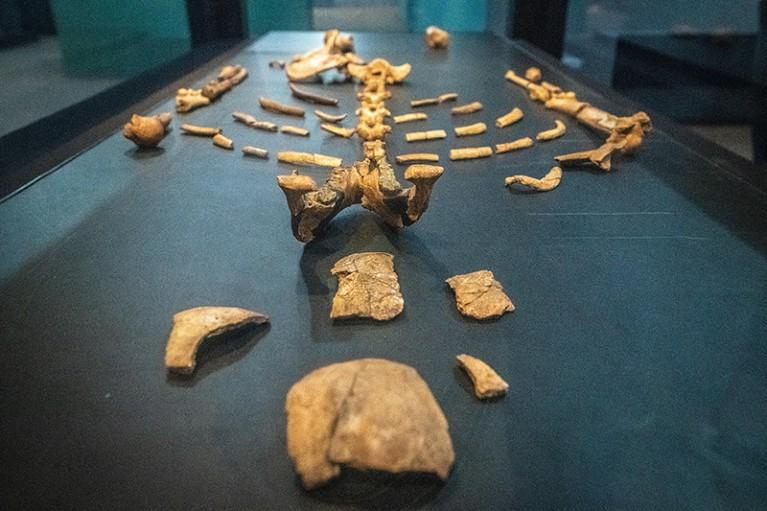
- View the famous Lucy skeleton casts in the basement paleontological exhibition, showcasing two remarkable poses of our 3.2 million-year-old human ancestor
- Explore the ground floor's royal artifacts, including Emperor Haile Selassie's massive carved wooden throne and pre-1st-century bronze artifacts
- Check out the first floor's Ethiopian art gallery featuring 14th-century parchments and 20th-century oil paintings by artists like Afewerk Tekle
- Examine the fossilized remains of extinct creatures like the sabre-toothed Homotherium and giant savannah pig Notochoerus
- Visit the second floor's collection of traditional Ethiopian crafts, including weapons, jewelry, musical instruments, and cultural clothing
- Request a free English-speaking guide who can provide deeper context and insights into the museum's extensive historical collections
🎟️ Tickets and Entry
Entry to the National Museum of Ethiopia is affordable for both local and international visitors. Foreign tourists can expect to pay around 200-300 Ethiopian Birr (approximately $4-6 USD). Tickets can be purchased directly at the museum entrance. No online booking is typically required. Student discounts are available with valid student ID. Photography inside the museum is permitted with a small additional camera fee.
History of National Museum of Ethiopia
- 1957: Establishment of the National Museum as a central repository for Ethiopian cultural and historical artifacts
- 1974: Discovery of Lucy's skeleton, which would later become the museum's most famous exhibit
- 1980s: Significant expansion of paleontological and archaeological collections
- 2000s: Major renovation efforts to improve exhibit displays and museum infrastructure
- 2010: Increased international recognition as a key research and cultural preservation center
❗ Visitor Tips
- Plan at least 2-3 hours for a comprehensive museum tour
- Free English-speaking guides are available - remember to tip
- Basement level with Lucy's skeleton is the most popular exhibit
- Comfortable walking shoes recommended
- Bring water and light snacks
- Best to visit in the morning when guides are most available
- No large backpacks allowed inside museum galleries
Cultural Significance
The National Museum of Ethiopia represents more than a collection of artifacts - it's a critical institution preserving Ethiopia's complex cultural and prehistoric heritage. By housing Lucy's skeleton and extensive archaeological collections, the museum plays a crucial role in understanding human origins and Ethiopian cultural evolution. It serves as a national symbol of scientific achievement and cultural pride, attracting researchers, students, and tourists from around the world who want to understand Ethiopia's profound historical significance.
What are some interesting facts about National Museum of Ethiopia?
- The museum's Lucy skeleton casts are so scientifically significant that they've been studied by researchers from over 30 countries
- Emperor Haile Selassie's wooden throne is considered so massive and ornate that museum staff reportedly need special equipment to move it
- The museum archives contain the actual Lucy fossil bones, keeping them separate from the public exhibition casts to ensure their long-term preservation