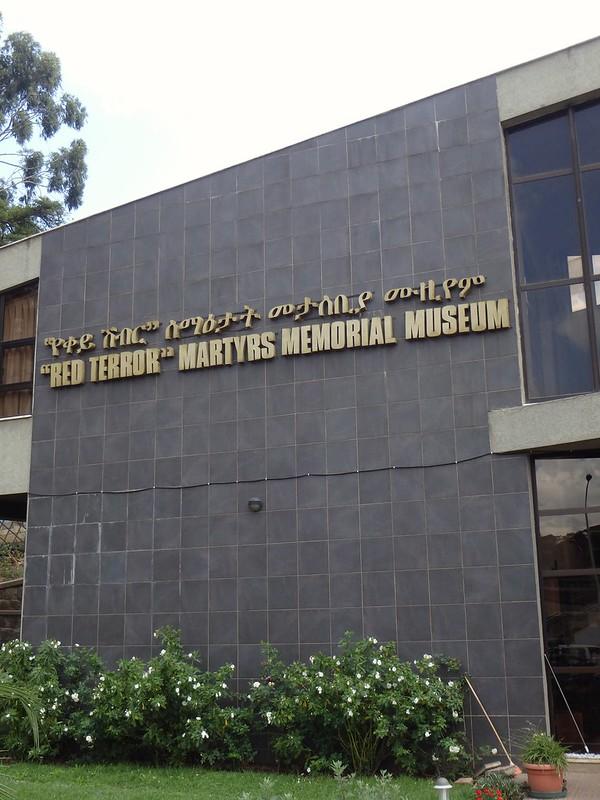
Red Terror Martyrs Memorial Museum: A Testament to Ethiopia's Painful Past
June 14, 2025

I spent just over two hours at the Red Terror Martyrs Memorial Museum, and the experience was deeply moving, with the personal artifacts and photographs telling powerful stories of individual loss. The free guided tour provided crucial historical context, helping me understand the complex political history of Ethiopia in a way no textbook ever could.
Where a single watch tells a story of unimaginable human sacrifice, the Red Terror Martyrs Memorial Museum transforms personal tragedy into a powerful lesson about human rights. Discover how one small museum in Addis Ababa preserves the memory of half a million lives lost during Ethiopia's darkest political period.
Need-to-Know Info Before Visiting Red Terror Martyrs Memorial Museum
5+
images
Red Terror Martyrs Memorial Museum Address
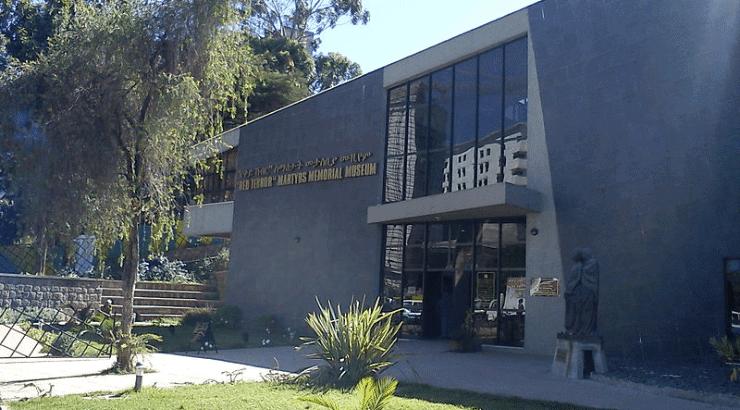
King George VI Street, near National Stadium, Addis Ababa, Ethiopia
Red Terror Martyrs Memorial Museum Opening Hours
- 🕒 Tuesday-Sunday: 9 AM - 5 PM
- 🕒 Closed on Mondays
- 🕒 Last entry: 4:30 PM
How to get to Red Terror Martyrs Memorial Museum
- 🚗 By car: Accessible from city center, parking available nearby
- 🚌 Public transport: City buses stop within walking distance
- 🚕 Rideshare: Uber and local taxi services widely available
What is Red Terror Martyrs Memorial Museum known for?
- Commemorates victims of the Derg regime's brutal political persecution
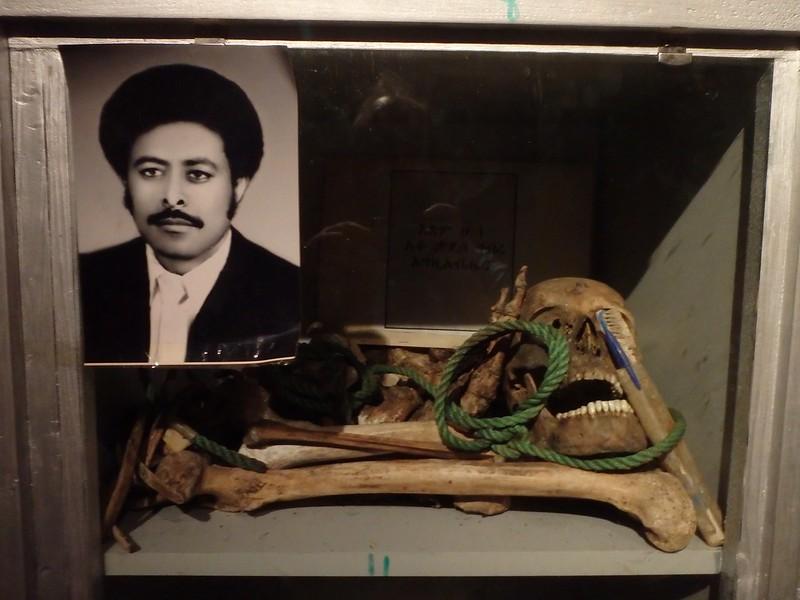
- Displays personal artifacts, photographs, and remains of those killed during 1977-1978
- Provides historical documentation of Ethiopia's political repression
- Features guided tours explaining the historical context of the Red Terror period
- Serves as an educational site documenting human rights violations
What is Red Terror Martyrs Memorial Museum in Addis Ababa?
The Red Terror Martyrs Memorial Museum stands as a powerful historical landmark documenting one of Ethiopia's darkest political periods. Located in the heart of Addis Ababa, this compact museum draws both international researchers and local visitors seeking to understand the brutal Derg regime's impact. Established in 2010, the museum transforms a small space into a profound memorial documenting the estimated half-million Ethiopians killed between 1977-1978. Visitors walk through exhibits featuring personal artifacts, photographs, and preserved human remains that tell individual stories of loss and resistance. English-speaking guides offer free tours explaining the historical context, making the complex political history accessible to international travelers. Unlike typical museums, this site feels more like a memorial, with carefully curated displays that honor victims through their personal belongings - a watch given by a husband, clothing from teenagers killed, and walls filled with photographs of those who perished. While not a large museum, it receives steady international attention from human rights researchers, students, and travelers interested in understanding Ethiopia's recent political transformation. The museum operates on donations and serves as an educational space preserving a critical chapter of Ethiopian history.
Top things to do at Red Terror Martyrs Memorial Museum
- Listen to free guided tours explaining the historical context of the Red Terror period, with detailed narratives about political resistance and persecution
- View the poignant wall of photographs displaying victims' images, each telling a personal story of loss during the Derg regime
- Examine personal artifacts like the watch donated by a victim's wife, showcasing individual stories of courage and sacrifice
- Study the displays of torture instruments and human remains, which provide a stark documentation of historical human rights violations
- Explore the pictorial history exhibits that trace the events leading from Emperor Haile Selassie's era to the Derg government's brutal regime
- Participate in educational programs that help visitors understand Ethiopia's complex political transformation and the importance of remembering historical atrocities
🎟️ Tickets and Entry
The Red Terror Martyrs Memorial Museum operates on a donation-based entry system. While there's no fixed ticket price, visitors are encouraged to contribute what they can. The museum offers free entry, making it accessible to everyone interested in learning about this critical period of Ethiopian history. English-speaking guides are available at no extra charge, providing in-depth context about the exhibits.
History of Red Terror Martyrs Memorial Museum
- 1974: Ethiopian Revolution begins, leading to the fall of Emperor Haile Selassie
- 1977-1978: Derg regime conducts mass killings known as the Red Terror period
- 2010: Museum officially established to commemorate victims of the Derg regime
- 2010: Opening ceremony led by a mother who lost four teenage children during the regime
- Present Day: Museum serves as a crucial educational site documenting human rights violations and preserving historical memory
Cultural Significance
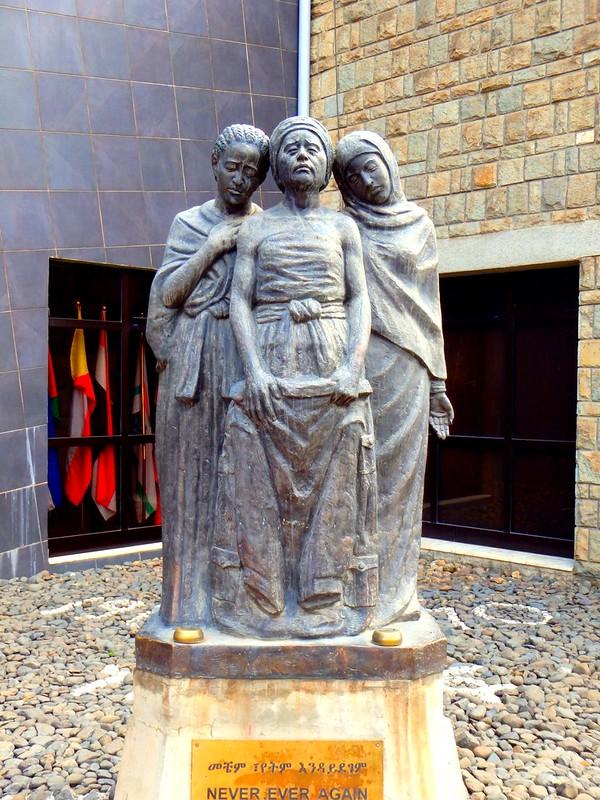
The Red Terror Martyrs Memorial Museum represents more than a historical exhibit. It stands as a critical national memorial that confronts Ethiopia's painful past, educates younger generations about human rights, and honors the memory of those who suffered under political oppression. The museum symbolizes Ethiopia's commitment to transparency, reconciliation, and preventing future human rights violations.
❗ Tips for Visitors
- Allow at least 1-2 hours for a comprehensive visit and guided tour
- Photography is permitted, but be respectful of the sensitive content
- Bring water and comfortable walking shoes
- Consider visiting in the morning when guides are most available
- The museum can be emotionally intense - prepare yourself mentally
- Free guided tours provide crucial context, so consider taking one
- Donations support the museum's ongoing preservation efforts
What are some interesting facts about Red Terror Martyrs Memorial Museum?
- The museum was founded by survivors and families of victims, making it a deeply personal memorial rather than a government-commissioned project
- One of the most powerful exhibits is a single watch donated by a victim to his wife moments before his execution, symbolizing the personal stories behind the historical tragedy
- The museum operates entirely on donations, with no government funding, reflecting its grassroots approach to preserving historical memory